
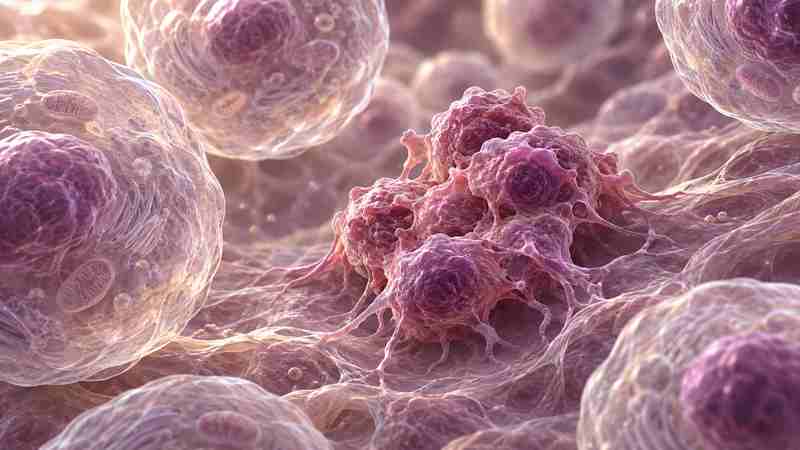
A cancer diagnosis changes how a person organises everyday life: investigations, treatment decisions, fear and conflicting information all arrive together. The first useful step is to understand exactly which disease has been identified. “Cancer” describes a family of diseases with different courses and treatments, rather than one condition that can be addressed with a single formula. [1]
What happens inside the body
Normally, cells divide and are replaced in a controlled way. In cancer, accumulated changes in their regulatory mechanisms can allow uncontrolled growth and invasion of tissues. Some cells may spread to other organs, forming metastases. Not every lump is malignant, and the absence of a palpable tumour does not rule out cancer: blood cancers, for example, may present differently. [1]
Biological differences have practical consequences. Two people with a tumour in the same organ may receive different recommendations because of its histological type, extent and molecular features. Someone else's experience therefore cannot reliably predict what will happen in another case.
From suspicion to a clear diagnosis
A persistent or unusual symptom deserves a conversation with a doctor, but it is not a diagnosis on its own. Unexplained bleeding, a new lump, unintentional weight loss or persistent changes in bowel habits can have many causes. Assessment aims to distinguish between these possibilities without treating every symptom as proof of cancer.
Investigations depend on the circumstances. Imaging can locate a lesion; examination of a tissue sample can establish its nature. Staging describes the extent of disease. Further tests are useful when their results could change treatment. An organised file containing the pathology report, investigations and medication list makes consultations more productive.
How treatment is chosen
A plan may include surgery, radiotherapy, medicines or combinations of these approaches. Some interventions aim to cure the disease, while others aim to control it or relieve symptoms. The essential question is: “What is the goal of this treatment in my case, and how will we check whether it is working?” Benefits, adverse effects and alternatives must be discussed in relation to the specific diagnosis. [2] [5]
Supportive care has a real role: managing pain, nausea, fatigue and eating difficulties can improve daily life. Palliative care can be provided alongside active cancer treatment; asking for help with symptoms does not mean giving up care.
Nutrition: protecting the body's resources
During treatment, nutritional goals must reflect the person's condition. For someone losing weight or struggling to eat, maintaining energy and protein intake may be the priority. A restrictive diet started out of fear can make existing difficulties worse. Swallowing problems, diarrhoea, altered taste and nausea require different solutions agreed with the care team. [3]
There is no universal diet that cures cancer. “Alkaline” foods, arbitrary elimination of food groups and megadoses of vitamins do not replace treatment. A simple record of meals, weight and symptoms can help a dietitian suggest changes that are both useful and manageable. [3]
Supplements can interact with treatment
A natural product may change how a medicine is absorbed or metabolised. Composition, dose and timing matter, and an ingredient's safety in food does not establish the safety of a concentrated extract. NCI describes relevant interactions between certain supplements and cancer therapies; all products should therefore be disclosed to the oncologist and pharmacist. [4]
Laboratory findings about a plant do not show that a commercial supplement shrinks a tumour in humans. Such a claim requires relevant clinical studies of the intervention in question. A brand name or personal testimonial should not be interpreted as evidence of effectiveness.
Preparing for a more useful consultation
- Write down the precise diagnosis and questions about the purpose of treatment.
- Bring a complete list of medicines, herbal teas and supplements, including photographs of labels.
- Ask which symptoms need to be reported immediately and how to contact the team.
- Request nutritional support if appetite or weight changes.
Fever during treatment that can suppress immunity, breathing difficulties, significant bleeding or rapid deterioration in general health require urgent medical contact. Follow the thresholds and instructions provided by the cancer centre. An informed choice begins with the details of your own case, rather than general promises.
How to compare two care proposals
A sound proposal identifies the diagnosis, goal, evidence and risks. Ask whether the information comes from studies in people with the same type of cancer or only from experiments on cells. Check whether the exact formulation and proposed dose were assessed. Words such as “immunity”, “regeneration” or “natural” do not answer these questions or allow a benefit to be estimated.
A second medical opinion may help with a complex decision, but it should be sought with the full medical record. Compare the reasoning and goals, not simply the number of products recommended. If two teams propose different approaches, ask which information led to each choice and what would change the plan.
Making daily support practical
A relative or friend can help with appointments, transport and recording questions without taking over every decision. Keep documents in one place and maintain an up-to-date treatment list. Record important changes in appetite, weight, sleep and exercise tolerance, then share them in the format requested by the team.
Not everything found online needs to be acted on immediately. A short list of questions for the next consultation is more useful than repeated changes to diet and supplements. At difficult times, the goal may be maintaining a manageable routine and asking for help early, rather than meeting an impossible dietary ideal.
FROM OUR CATALOGUE
MEDICINAS products
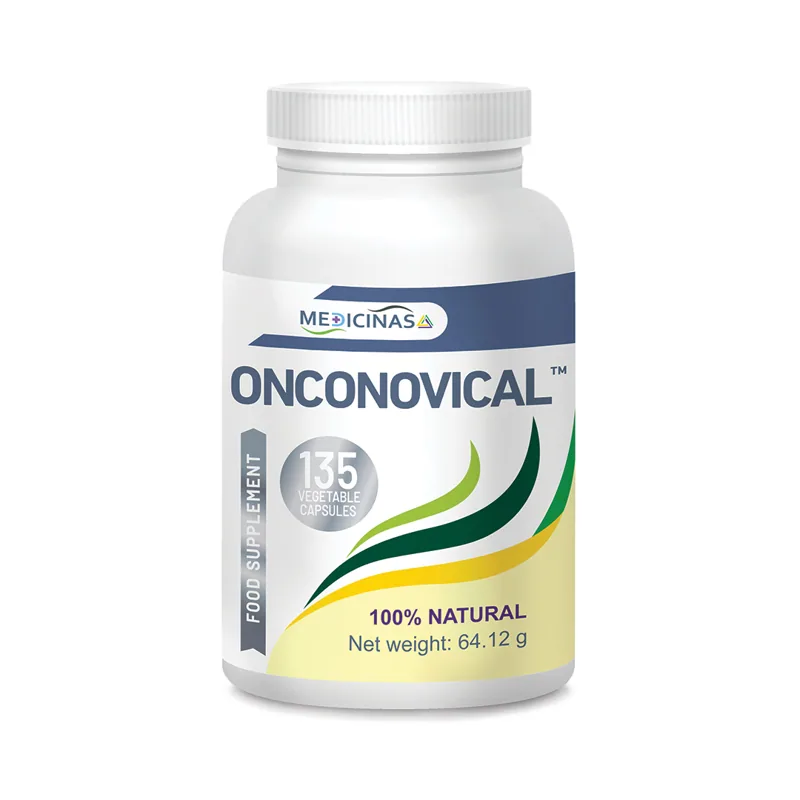
Onconovical – Treatment For 2 Weeks
Onconovical is a supplement in our catalogue containing kombucha, pollen and plant ingredients. We recommend reviewing its composition with your oncologist before deciding whether to use it. There is insufficient clinical evidence that this product treats cancer, shrinks tumours or prevents recurrence. Pollen can cause allergic reactions; compatibility with treatment must be checked individually.
View ingredients and precautions ↗References and sources
Sources consulted on 10 November 2026. Health education material prepared by the MEDICINAS editorial team.