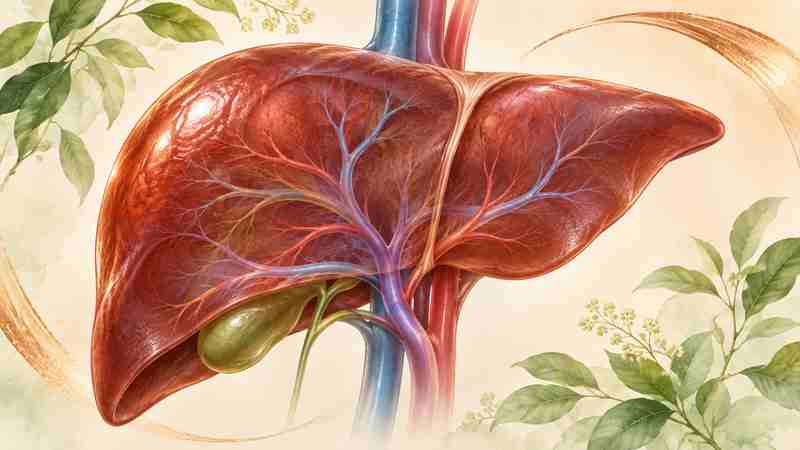
The liver works continuously in metabolism, protein synthesis and processing many substances. Liver disease can progress without obvious pain, so feeling well does not replace assessment. At the same time, fatigue or bloating does not automatically prove liver disease. The useful questions are which mechanism is involved and how much the organ has been affected.
What metabolic fatty liver means
Excess fat accumulation in the liver can be associated with metabolic dysfunction. Current terminology includes MASLD and MASH; older resources may use NAFLD and NASH. These vocabulary changes can be confusing, but the central task remains assessing liver fat, inflammation and possible scarring. [1]
Not everyone with steatosis follows the same course. Inflammation and, particularly, the degree of fibrosis influence risk. Diabetes, excess weight and other metabolic factors may coexist. The liver should therefore not be assessed in isolation from glucose levels, lipids and cardiovascular health.
Blood tests do not tell the whole story
Transaminases provide information about cell injury, but alone they do not measure the full degree of liver function or fibrosis. An elevated value has several possible explanations, and an apparently reassuring result still needs context. A clinician may recommend further tests and investigations into the cause of liver injury.
Ultrasound may identify steatosis in some circumstances, but it cannot answer every question. Fibrosis assessment may use scores based on blood tests and methods such as elastography, depending on the case. The aim is not to accumulate investigations, but to identify people needing closer follow-up or specialist care. [4]
Not every liver condition is fatty liver
Alcohol, viral infections, certain medicines and other diseases can affect the liver. These causes may require specific approaches and cannot be addressed with the same dietary advice. An honest discussion of alcohol intake and all products used provides useful medical information; it is not an invitation to judgement.
List prescribed medicines, occasional medicines, herbal teas and supplements. Include doses and when they were started. Do not stop an important medicine yourself if you suspect a reaction; contact the clinician for assessment and a safe plan.
Changes that help metabolic steatosis
For people with excess weight, gradual weight loss can reduce liver fat and, under some circumstances, inflammation. Physical activity offers benefits even when weight changes little. The pace needs to be sustainable: very rapid weight loss and malnutrition can create additional problems. [2]
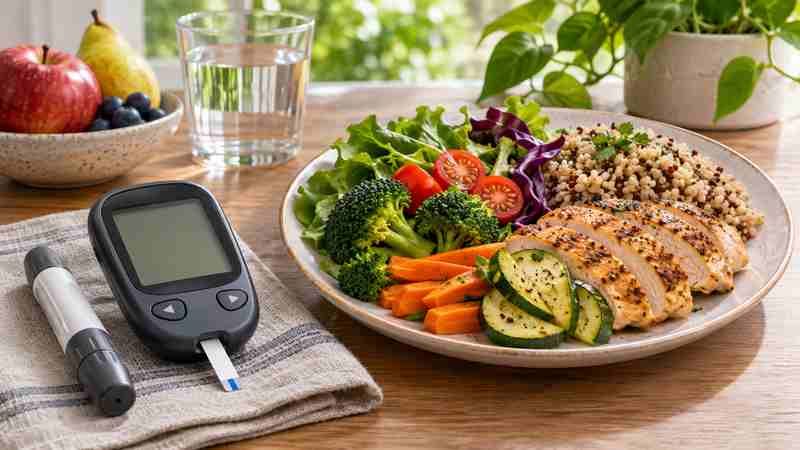
In practice, identify energy sources that are easy to add without feeling full, such as sweetened drinks or repeated snacks. Organise meals containing vegetables, protein and fibre-rich foods. A plan adapted to food culture and daily commitments is easier to maintain than a long list of prohibitions.
There is no need to turn every food into a “liver protector”. The repeated eating pattern, alcohol intake, diabetes management and physical activity matter. Advanced fibrosis or cirrhosis requires specific advice about eating and activity; general weight-loss rules are not automatically appropriate.
Why “detox” can distract from the problem
A promise that a course removes every toxin does not specify which substance is being measured, which disease exists or which clinical outcome is intended. Feeling lighter after a few days does not establish reduced fibrosis. A serious intervention needs a defined goal and appropriate assessment, rather than impressions alone.
Plant products are not automatically risk-free for the liver. Some may cause liver injury or interactions. Starting several formulations together makes identifying a cause even harder if symptoms or abnormal tests develop. [2]
Milk thistle: tradition and evidence limits
Milk thistle and silymarin are widely promoted for the liver. NCCIH reports that results in liver disease studies are conflicting or insufficient for firm conclusions. That uncertainty should not become a promise that a commercial formulation treats hepatitis, reverses cirrhosis or prevents liver cancer. [3]
A supplement should only be considered after clarifying its purpose, compatibility and follow-up. Treatment for viral hepatitis, autoimmune disease or cirrhosis complications cannot be replaced by general advice for digestion.
When prompt help is needed
Yellowing of the skin or eyes, vomiting blood, black stools, new confusion or rapidly increasing abdominal swelling require prompt assessment; bleeding or impaired consciousness are emergencies. Do not wait to see whether a “liver product” changes the situation. Ask for a follow-up schedule and an explanation of warning signs relevant to your condition.
Tracking progress without unrealistic promises
Define improvement before starting an intervention. It might mean a change in a metabolic factor, the course of blood tests or reassessment of fibrosis when the clinician considers it necessary. Not every measurement changes at the same speed. A better result does not automatically show that all risks have disappeared or justify abandoning follow-up.
Record the changes you actually make: activity frequency, alcohol intake, meals and medicines. If you add a supplement, note the product, dose and starting date. Reviews can then use concrete information, including when adverse effects appear or results do not change.
Questions that clarify the next step
Ask which causes have been considered, whether there are signs of fibrosis and which check comes next. Request an explanation of the difference between a test suggesting injury and one assessing other aspects of liver function. Not every value has the same meaning or every investigation needs repeating at the same interval.
Before a commercial course, ask which outcome has been demonstrated for the exact product and whether it carries risks in your situation. A limited, verifiable goal is more useful than a promise of “complete cleansing”. Liver care starts by identifying the cause and continues with a plan reviewed over time.
FROM OUR CATALOGUE
MEDICINAS products
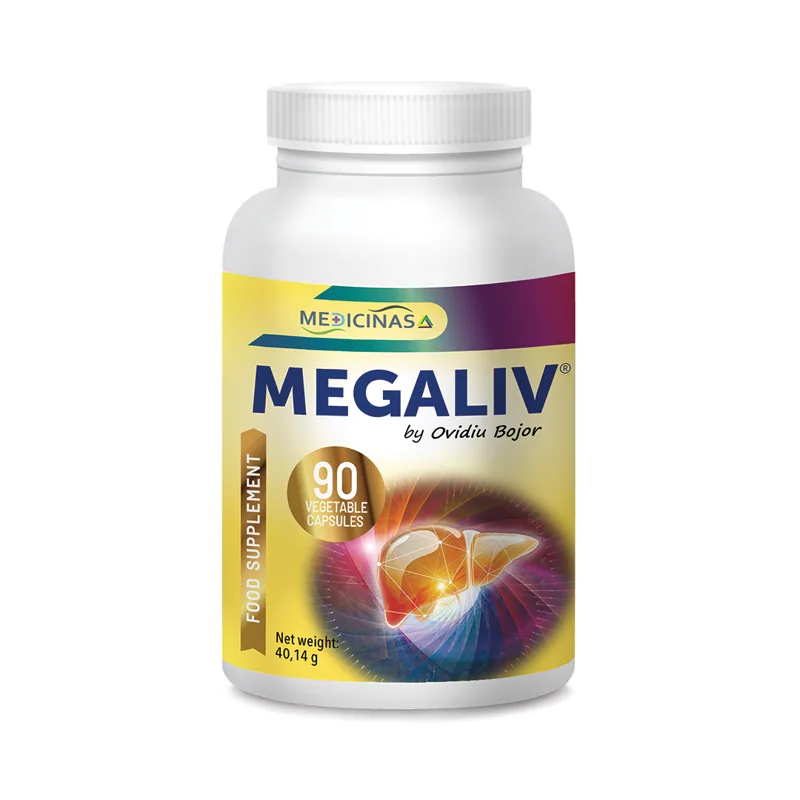
MEGALIV – 90 cps.
Megaliv contains artichoke, milk thistle and other plant ingredients, according to the catalogue. We recommend reviewing its composition with a clinician before use, particularly with liver disease, gallstones or medication. Evidence for milk thistle in liver disease is inconclusive and does not establish that the Megaliv formulation improves fibrosis. The product does not treat viral hepatitis, cirrhosis or liver failure.
View ingredients and precautions ↗References and sources
Sources consulted on 10 November 2026. Health education material prepared by the MEDICINAS editorial team.