“Heart problems” can describe very different conditions: inadequate coronary circulation, rhythm disorders, heart failure or valve disease. They do not require the same investigations or treatment. Understanding the precise diagnosis is more useful than selecting a product “for the heart” before establishing which problem needs attention.
How blood reaches the heart muscle
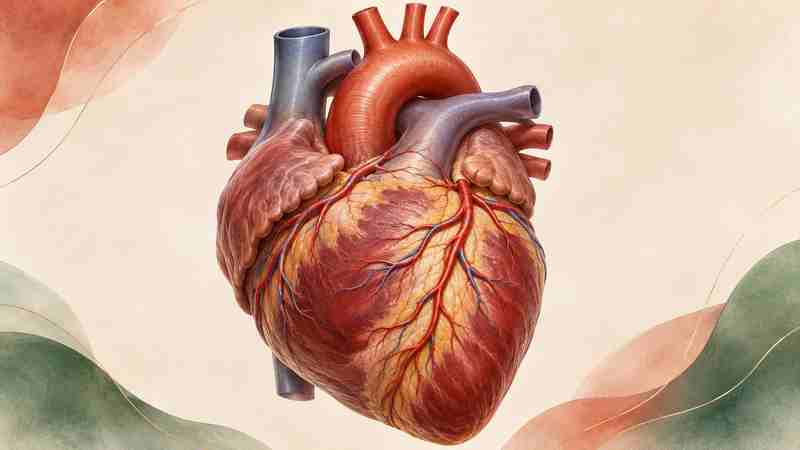
The heart pumps blood but also needs its own oxygen supply through the coronary arteries. When these vessels narrow or function abnormally, supply may become inadequate. Atherosclerotic plaque is an important mechanism in coronary disease. Severity cannot be inferred only from pain intensity or the ability to walk for a few minutes. [1]
Someone can have risk factors for years without obvious symptoms. Prevention therefore addresses blood pressure, blood lipids, diabetes and tobacco exposure before an emergency occurs. A useful assessment considers these together rather than as unrelated figures on a laboratory report.
Symptoms that must not be ignored
Chest pressure or discomfort, breathlessness, unusual sweating and pain spreading to an arm, the back or jaw can occur during a heart attack. Some people have less typical symptoms, including nausea or unusual fatigue. Waiting for dramatic, film-like pain before seeking help is unsafe. [2]
If you suspect a heart attack, call your local emergency number immediately—112 in Romania and the European Union. Do not drive yourself to hospital or delay the call to try a supplement, herbal tea or improvised treatment. Prompt intervention can limit heart damage. [2] [3]
What risk assessment means
Cardiovascular risk is estimated using several pieces of information: age, blood pressure, lipid profile, smoking, diabetes, medical history and other conditions. One total cholesterol value does not describe the whole picture. Similarly, a single reassuring blood pressure measurement does not exclude hypertension when readings are frequently elevated at other times.
For home measurements, ask about correct technique and a clear schedule. Record readings without changing doses yourself after each result. A clinician decides which investigations are needed according to symptoms: a useful test in one situation is not automatically appropriate for everyone.
Daily changes with a clear direction
Stopping smoking, adapted physical activity and balanced eating are components of cardiovascular care. A realistic programme starts with repeatable actions: regular walking if appropriate, organised meals and reducing habits that encourage excess salt or energy intake. If exercise brings on symptoms, assessment should come before increasing intensity.
Sleep and the ability to follow treatment deserve discussion. Complicated regimens, costs or adverse effects can lead to interruptions. Explain what prevents you from following the plan; simplification and adjustment are more useful than concealing missed doses for fear of being judged.
Why treatments have different roles
One medicine may lower blood pressure, another may change lipid levels, and another may prevent clot formation in particular circumstances. Feeling well does not establish that these interventions are no longer needed. Stopping them without review may remove the intended protection, especially after a cardiovascular event or procedure.
After a heart attack, treatment and rehabilitation are individualised. Some interventions restore circulation, while others aim to prevent another event. A supplement cannot perform the role of an emergency procedure or be assumed equivalent to a therapy shown in clinical trials to reduce risk. [3]
Red yeast rice requires caution
Some red yeast rice products contain monacolins with statin-like effects. Amounts and composition may vary, and being “natural” does not remove the risk of muscle or liver reactions or interactions. Combining such a product with a statin should not be a decision based on advertising. [4]
When evaluating a supplement, ask what the daily dose contains, which medicines may overlap and which symptoms require stopping it and seeking advice. Do not assume that several products aimed at the same goal automatically provide greater protection.
Questions for your next consultation
- What is my diagnosis, and which modifiable risk factors matter most?
- Which targets are we monitoring, and when should tests be repeated?
- What physical activity is safe for me?
- What should I do if I develop chest pain, dizziness or breathlessness?
- Could my treatment interact with products I use?
Cardiovascular protection is a process reviewed over time. Measurements, symptoms and treatment tolerance guide adjustments. A coherent strategy is more valuable than repeatedly adding products without a goal or reassessment.
A cardiovascular plan you can follow
At the end of a consultation, you should be able to explain in simple terms which problem you have and what each part of the plan is intended to achieve. Record the blood pressure or lipid target agreed with your clinician, the review date and symptoms that should not wait for a routine appointment. If a recommendation is unclear, ask for a practical example.
A dosing timetable may help when treatment has several components. Ask a pharmacist to check overlaps between prescribed medicines and non-prescription products. Keep the same updated list for every consultation so recommendations are not made on the basis of an incomplete regimen.
Useful information about a new symptom
If a symptom is not an obvious emergency, note when it started, how long it lasts, what triggers it and what accompanies it. Explain whether it occurs during activity or at rest and whether it differs from previous episodes. These details are more useful than the general label “my heart hurts”.
Do not try to prove that discomfort is harmless by repeating the activity that triggers it. When symptoms suggest a heart attack, the priority is the emergency call. Outside emergencies, organised information and medical assessment provide the basis for appropriate changes to care.
FROM OUR CATALOGUE
MEDICINAS products
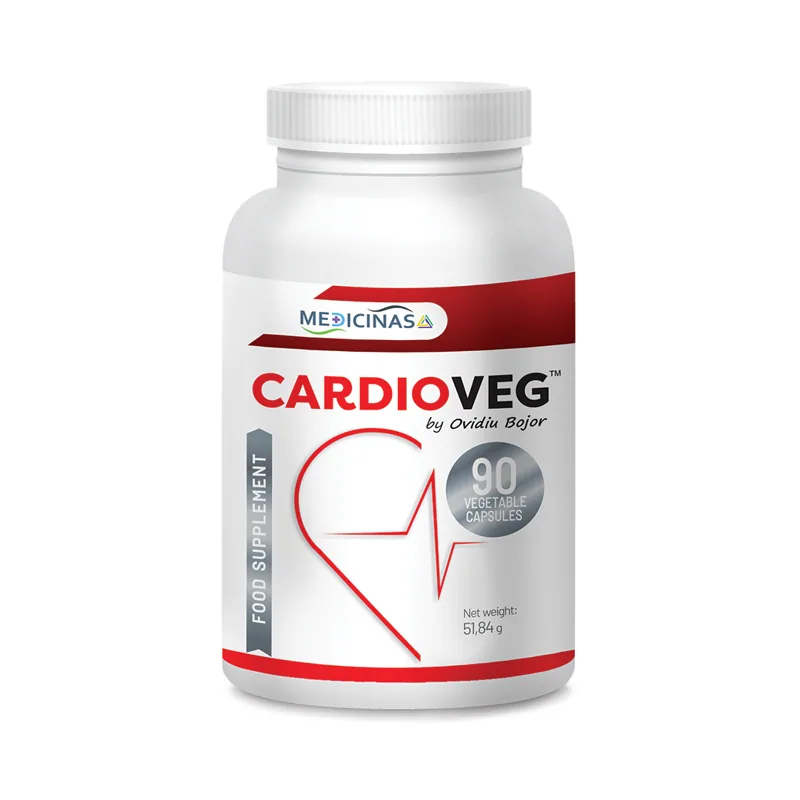
CardioVeg – 90 cps
CardioVeg contains red yeast rice and plant ingredients, according to the catalogue. We recommend checking the label with a clinician or pharmacist before use. Red yeast rice can have statin-like effects and interactions; do not combine it with statins or similar products on your own initiative. The product does not replace cardiovascular treatment and is not a remedy for chest pain or a heart attack.
View ingredients and precautions ↗References and sources
Sources consulted on 10 November 2026. Health education material prepared by the MEDICINAS editorial team.